Governo Federal, Ministério da Cultura, Governo do Estado do Rio de Janeiro, Secretaria de Estado de Cultura e Economia Criativa do Rio de Janeiro, Prefeitura do Recife, Secretaria de Cultura do Recife, Fundação de Cultura da Cidade do Recife, através da Política Nacional Aldir Blanc, e Centro Cultural Banco do Brasil apresentam
Rio de Janeiro
Niterói
FEBF/UERJ
Cine Arte UFF
Recife
CCBB-RJ
Fundaj
Cine São Luiz
Duque de Caxias
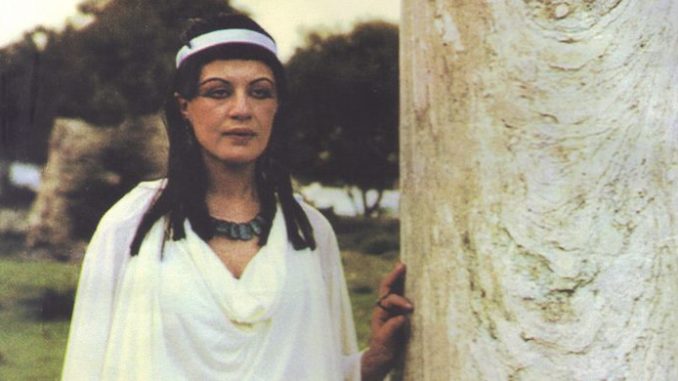
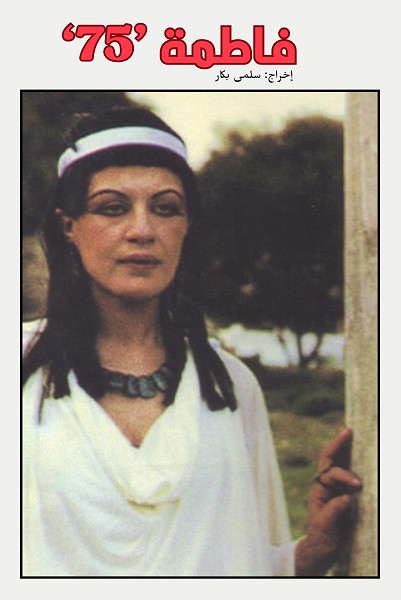
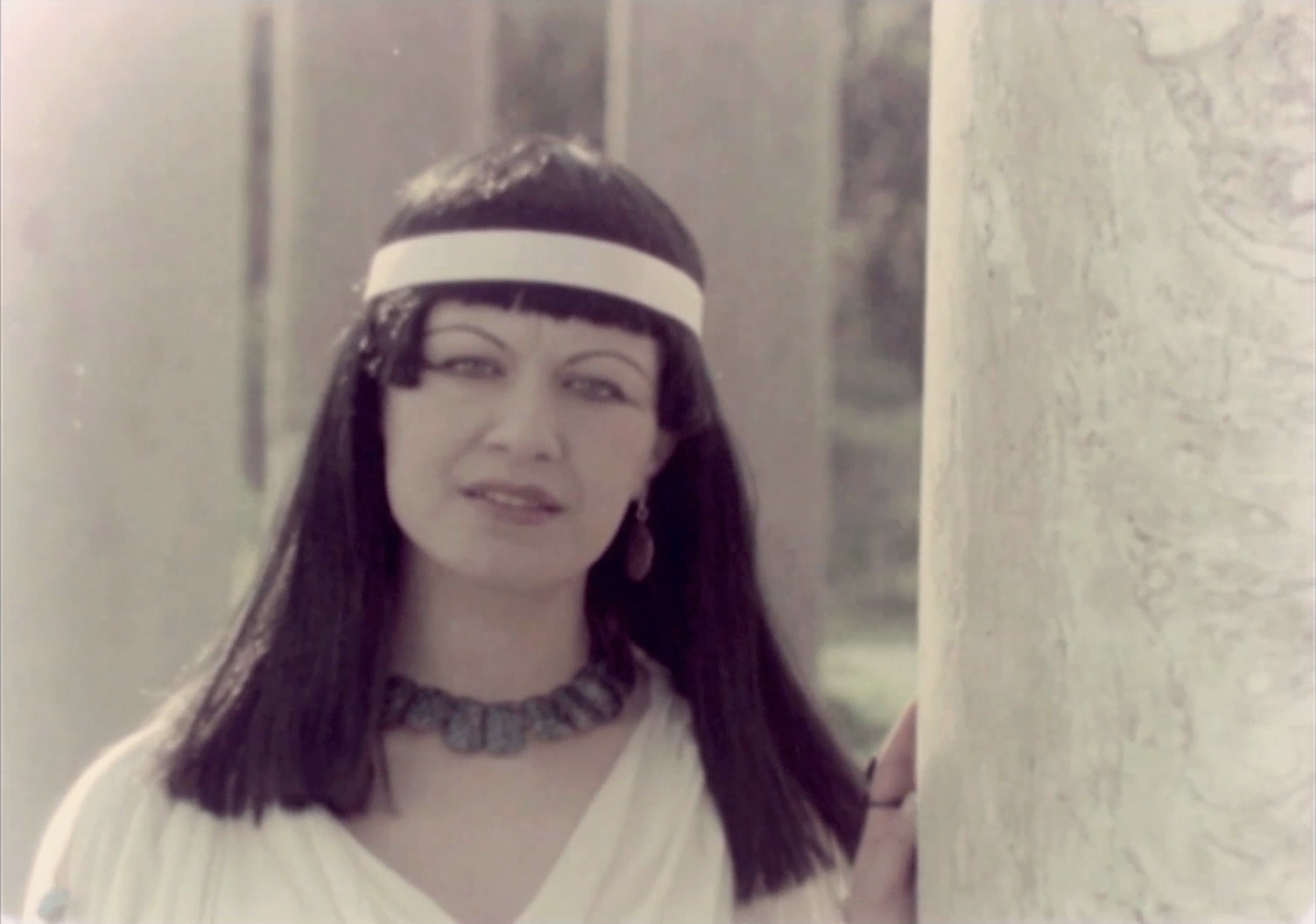
Fatma 75 is the first nonfiction film directed by a Tunisian woman, censored until recently in its home country. It is a feminist essay that revisits the historical trajectory of women’s status in Tunisia, from 1930 to 1975, through the story of Fatma, a student whose name alludes to the term chosen by the colonists to refer to Arab women.
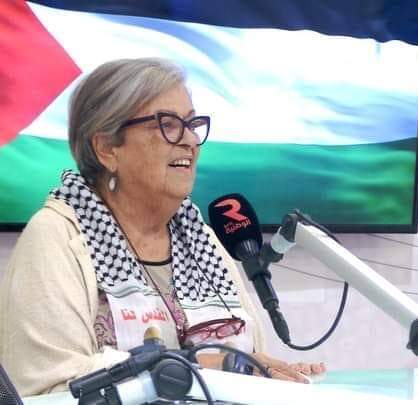
Selma Baccar was the first woman in Tunisia to make her own films. Part of a group inspired by the bohemian atmosphere of Hammam-Lif, a southern suburb of Tunis, she became interested in film at a young age. After college, she studied psychology in Switzerland and had the opportunity to go to Paris to study film. From The Awakening (1966) to Fatma 75 (1975), The Dance of Fire (1995) to Flower of Oblivion (2006), her historical detail, contemporary relevance, and concern for women in a much broader context earned her a reputation as the “grand dame” of Tunisian cinema: a feminist activist.
Film translated by: Jemima Alves em parceria com a Tabla